
What is Equine Facilitated Psychotherapy
Equine Facilitated Psychotherapy (also called Equine Assisted Psychotherapy or EAP ) is a form of mental‑health therapy that involves interactions between clients and horses, guided by a qualified mental‑health professional and often an equine specialist.
It is a somatic, experiential process that places the client’s needs and challenges at the centre of the work, allowing insight, solutions, and strategies to emerge naturally.
EFP is typically used to support people experiencing PTSD, CPTSD, anxiety, depression, trauma, grief and loss, behavioural difficulties, substance misuse, and various neurodiverse conditions.
How Does Equine Facilitated Psychotherapy Work?
EFP sessions are generally ground‑based (non‑ridden). Clients engage in a range of activities, such as:
- feeding, brushing, or other basic horse‑care tasks
- observing horses in a natural environment
- reflective time or mindfulness‑based activities in the presence of horses
- structured experiential exercises in an indoor or outdoor arena
The therapeutic value lies in the emotional, relational, and somatic responses that arise during these interactions.
 .

Role of Horses in Therapy
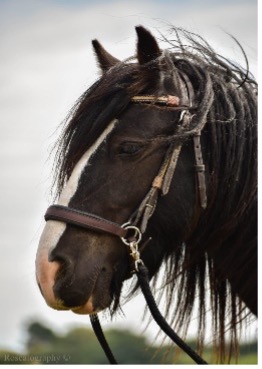
Horses are naturally congruent and empathic animals. They respond authentically to human emotional states and can mirror what is happening internally for the client.
This mirroring can help clients explore themes such as:
- power
- boundaries
- authenticity
- communication
- assertiveness
- self‑worth
EFP can be particularly supportive for clients on the autistic spectrum, offering a non‑verbal, sensory‑based, and embodied therapeutic experience.
The work is experiential: clients learn through doing, through their connection with the horses, and through processing their emotional responses afterwards.
Before beginning therapy, an initial assessment will take place to ensure EFP is suitable. If not, alternative options will be discussed.
How to Find a Qualified Equine Therapist
Equine Facilitated Therapists are mental‑health professionals — counsellors, psychotherapists, psychologists — who have completed additional specialist training in equine‑facilitated work. Their credentials ensure safe, ethical, and evidence‑informed practice that integrates both psychological expertise and equine knowledge.
[Read more about our therapists here]
They work with horses through structured interactions or interventions to support clients’ emotional, psychological, and physical wellbeing.
Conclusion
Equine Facilitated Psychotherapy can be a powerful complementary option for people experiencing depression, trauma, and anxiety. It is not a typical psychotherapeutic experience — the therapist must be trained both in classical therapy and in equine‑facilitated work.
For clients who find room‑based therapy difficult, EFP can offer a more accessible and embodied route to healing. However, it is not suitable for everyone, and each client may respond differently.
Anyone considering this therapy should work with a qualified mental‑health professional and a certified equine specialist. EFP is best approached as an experiential, somatic intervention rather than a traditional talking therapy.